
 Earrings
 Pendant Sets
 Pearl Strings
 Pearl Sets
 Bangles
 Bracelets
 Combo Sets
 All Earrings
 Drop & Danglers
 Studs & Tops


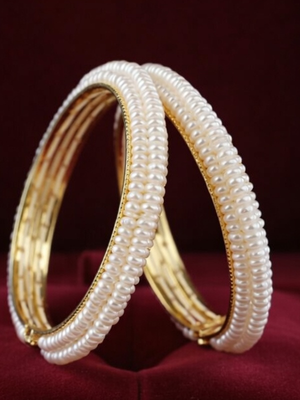
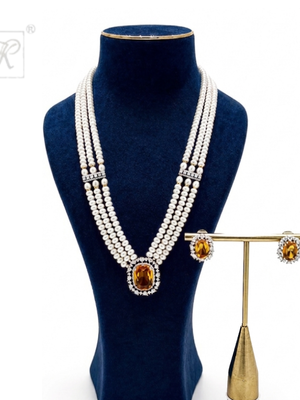
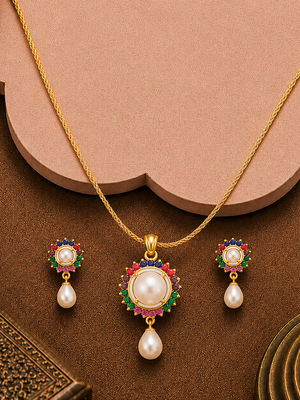
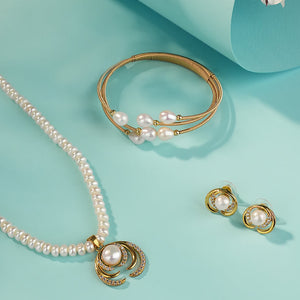
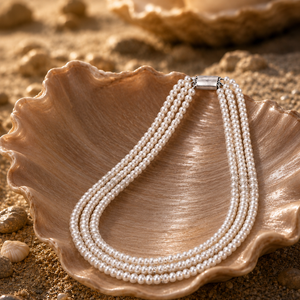
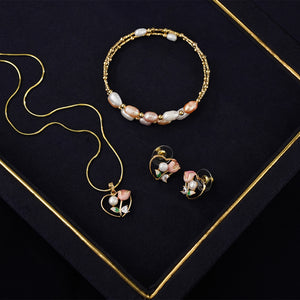

Hyderabad and pearls share a bond that stretches back over 400 years. Once the pearl capital of the world, Hyderabad was the centre of a global trade that brought the finest natural pearls from the Persian Gulf to the courts of the Nizams and the jewellery markets of the world. At Krishna Pearls & Jewellers, we are proud custodians of this extraordinary heritage — with over 43 years of expertise in authentic Hyderabadi and Basra pearl jewellery.
What Are Basra Pearls?
Basra pearls are natural pearls — not cultured — historically harvested from the oyster beds of the Persian Gulf, particularly near the port city of Basra in present-day Iraq. Unlike cultured pearls, which are grown with human intervention, Basra pearls form entirely naturally inside wild oysters over many years.
This natural formation process gives Basra pearls their distinctive character: a warm, creamy lustre with a deep inner glow that no cultured pearl can fully replicate. They are among the rarest and most valuable gems in the world today, as the Persian Gulf oyster beds were largely depleted by the mid-20th century.
Hyderabad: The Pearl Capital of the World
From the 16th century onwards, Hyderabad became the world's most important centre for pearl trading and jewellery craftsmanship. The Nizams of Hyderabad were legendary collectors of pearls — the Nizam Mir Osman Ali Khan was said to own one of the world's largest private collections of natural pearls.
The city's pearl bazaars — particularly the famous Laad Bazaar near Charminar — attracted merchants from across the world. Hyderabadi craftsmen developed unique jewellery styles that combined Basra pearls with gold, diamonds, and precious stones in intricate designs that remain iconic to this day.
What Makes Hyderabadi Pearl Jewellery Unique?
Hyderabadi pearl jewellery is distinguished by several characteristics:
- Natural pearls: Traditional Hyderabadi jewellery uses natural Basra pearls, not cultured pearls
- Intricate craftsmanship: Hyderabadi artisans are known for their skill in stringing, setting, and designing with pearls
- Gold and diamond combinations: Pearls are often combined with 22K gold and diamonds in traditional designs
- Heritage designs: Styles like the satlada (seven-strand necklace), vaddanam (waist belt), and jhoomar (head ornament) are iconic to Hyderabadi jewellery
- Cultural significance: Pearl jewellery is an essential part of Hyderabadi bridal tradition
How to Identify Authentic Basra Pearls
With Basra pearls being so rare and valuable, authentication is critical. Genuine Basra pearls can only be verified through X-ray testing, which reveals the all-nacre structure (no nucleus) that distinguishes natural pearls from cultured ones. At Krishna Pearls & Jewellers, we provide Certificates of Authenticity with all our pearl jewellery, and our experts can guide you through the authentication process.
Key characteristics of genuine Basra pearls:
- Warm, creamy colour with a distinctive inner glow
- Slightly irregular shapes (perfectly round natural pearls are extremely rare)
- All-nacre structure visible under X-ray
- Heavier than cultured pearls of the same size
Caring for Hyderabadi Pearl Jewellery
Natural pearls require careful handling to preserve their beauty:
- Store separately from other jewellery to avoid scratching
- Wipe with a soft, damp cloth after wearing — never use ultrasonic cleaners
- Avoid contact with perfume, hairspray, and chemicals
- Re-string pearl strands every few years to prevent breakage
- Store in a soft pouch or lined jewellery box
Explore Hyderabadi Pearl Jewellery at Krishna Pearls
As one of Hyderabad's most trusted pearl jewellers since 1983, Krishna Pearls & Jewellers offers an authentic collection of Hyderabadi pearl jewellery — from traditional necklace sets and earrings to bridal collections and loose pearls. Every piece comes with a Certificate of Authenticity.
Visit our flagship stores in Hyderabad or shop our Hyderabadi Pearl Jewellery collection online to experience this extraordinary heritage for yourself.